

Chocolate Dessert Guide
Cooking Techniques, Ingredients and Expert Tips & Tricks
Learn how to make chocolate desserts at home

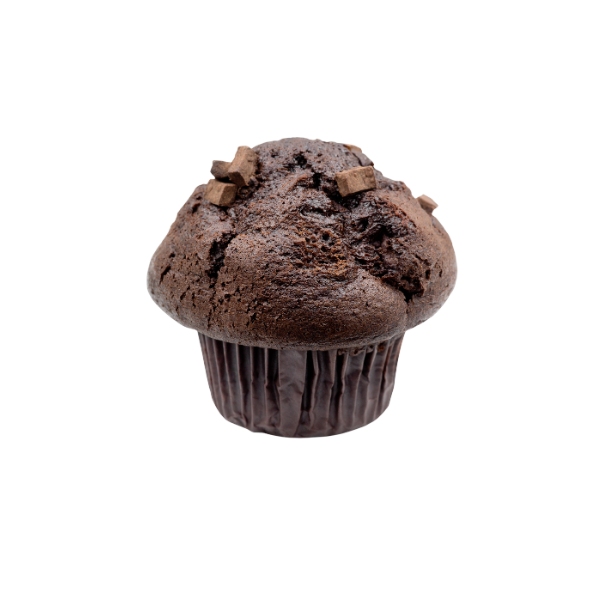
Essential Cooking Techniques
Step-by-step overview
Crafted for health-conscious dessert lovers seeking deep cocoa taste with no added sugar.
Chocolate Dessert Ingredients
Learn, Bake, Enjoy
Learn essential cooking techniques, tools, and ingredients to master any chocolate dessert.
Cacao percentages explained
From 100% to 30%: Understanding Cacao Percentages in Chocolate
Chocolate percentages refer to how much of the product comes from cacao (cocoa solids + cocoa butter). The remaining percentage is typically sugar, and sometimes milk powder or flavorings depending on the style of chocolate. This balance shapes everything: the richness of the aroma, the smoothness of the melt, and the softness or firmness of the final texture.
In professional baking, the most commonly used cacao percentages range from 70% to 85%, where flavor and structure meet in a balanced way. Higher percentages, such as 95% to 100%, bring intensity and depth, often softened with other ingredients. Lower percentages, like 40% or 30%, introduce more sweetness and creaminess, ideal for softer desserts and a more rounded taste.
100%
Pure chocolate mass (no sugar at all)
Working with 100% cacao is a pure and powerful experience. The flavor is deep, slightly earthy, with a strong cocoa aroma and no sweetness at all. It melts into a dense, smooth texture but requires careful balancing.
In a refined kitchen, this chocolate is often paired with natural sweeteners, cream, or fruit to soften its intensity. It works beautifully in ganache when blended with a sweet element, creating a rich and elegant finish.
The advantage of 100% cacao lies in its purity and bold flavor, perfect for those seeking intensity and control. However, its lack of sweetness can make it challenging in classic desserts, where balance is essential.
Recipes: 100% Pure cacao tablet |
99%
Almost pure cacao, tiny bit of added sugar (if any)
At 99%, the chocolate remains extremely intense, but with a slight rounding compared to 100%. The texture is still firm with a clean snap, and the melt reveals a deep, almost roasted cocoa profile.
This percentage is best used in small quantities, often combined with sweeter chocolate or incorporated into layered desserts. It adds depth without overwhelming the palate when handled carefully.
The benefit is its strong character and complexity, while the challenge remains its sharp bitterness if not balanced properly.
95%
Still very intense, but a hint of sweetness starts to appear
95% cacao offers a more approachable intensity. The flavor is still bold, but with a smoother finish and a slightly softer melt.
It is ideal for dark chocolate creams, intense brownies, or elegant ganache where a deep chocolate presence is desired without complete bitterness. Pairing it with cream, butter, or natural sweetness creates a beautifully rounded result.
Its strength is in delivering depth and richness, while still requiring thoughtful balancing to avoid dryness or harshness.
85%
Rich, deep flavor with mild sweetness
At 85%, the chocolate begins to feel more versatile. The flavor remains rich and deep, but with a gentle softness that allows it to blend easily into desserts.
This percentage is excellent for refined cakes, chocolate mousses, and smooth ganache. It creates a velvety texture with a balanced aroma that lingers without overpowering.
Its advantage is its flexibility and elegant flavor. The only limitation is that it may still feel slightly intense for those who prefer sweeter profiles.
70%
Balanced dark chocolate: bittersweet, smoother
70% is the classic benchmark in modern patisserie. It offers a perfect harmony between richness and sweetness, with a smooth, glossy melt and a clean, crisp snap.
This is the go-to chocolate for brownies, cookies, cakes, and ganache. It delivers a deep chocolate flavor while remaining approachable and balanced.
Its strength lies in its versatility and consistency. It adapts effortlessly to almost any recipe, making it a staple in both professional and home kitchens.
40%
Typical milk chocolate range
At 40%, chocolate becomes softer, sweeter, and more rounded. The cocoa flavor is lighter, with a creamy texture and a gentle melt.
This percentage is often used in milk chocolate preparations, where softness and sweetness are desired. It works well in fillings, coatings, and desserts aimed at a broader audience.
Its advantage is its smoothness and accessibility, though it may lack the depth needed for more refined or intense chocolate creations.
30%
Sweet, high milk and sugar content
Soft, sweet, and creamy with a gentle chocolate flavor.
30% cacao chocolate is noticeably sweet, with a mild cocoa presence and a very soft texture. The melt is creamy, and the flavor is comforting rather than intense.
It is best used in desserts where sweetness is key, such as soft cookies, fillings, or decorative elements. It pairs well with nuts, caramel, and dairy-based recipes.
While it offers a gentle and pleasant taste, it does not provide the rich depth that higher percentages bring.
White chocolate
Very sweet, high milk and sugar content
White chocolate contains no cocoa solids, only cocoa butter, sugar, and milk. This gives it a pale color, a smooth texture, and a soft, creamy melt.
In a modern patisserie setting, it is used to create silky ganache, delicate glazes, and balanced desserts when paired with darker chocolate or fruit.
Its strength lies in its sweetness and texture, though it lacks the deep cocoa flavor found in dark chocolate.
Choosing the perfect flour for chocolate desserts
Flour Types Explained: How to Achieve the Ideal Texture and Taste in Chocolate Desserts
Choosing the right flour for chocolate baking is a balance of structure, tenderness, and desired texture. All-purpose and plain flour provide versatility and dependable results, making them ideal for brownies, cookies, and everyday cakes. Self-raising flour simplifies the process when light, airy muffins or cupcakes are desired. Pastry flour delivers unmatched softness, allowing chocolate cakes and delicate pastries to achieve a refined crumb that gently dissolves in the mouth.
By understanding the nuances of each flour, bakers can select the perfect base for every chocolate creation.
All-Purpose Flour: The Versatile Chocolate Ally
With a moderate protein level, it provides just enough structure to support melted chocolate and rich batters while still allowing a soft, tender crumb to form. The beauty of all-purpose flour lies in its versatility: whether you are preparing a classic chocolate chip cookie or a deeply chocolatey layer cake.
To achieve the best results, mix only until the flour disappears into the batter, letting the chocolate shine while avoiding a tight, overly firm crumb.
Plain Flour: A Classic Choice for Chocolate Desserts
Plain flour, particularly common in the UK and Europe, mirrors the characteristics of all-purpose flour. It creates a balanced crumb that holds moisture and enhances the chocolate flavor without overpowering it.
By sifting plain flour with cocoa powder, bakers ensure even distribution, creating a batter that bakes into a cake with an even color and deep, consistent chocolate aroma throughout.
Self-Raising Flour: Light and Airy Chocolate Creations
Self-raising flour is plain flour enhanced with baking powder, and sometimes a pinch of salt. Its pre-mixed leavening makes it ideal for chocolate muffins, cupcakes, and sheet cakes, producing a light, airy crumb that allows chocolate to disperse evenly with every bite.
For bakers without ready access to self-raising flour, it can be made at home by whisking together plain flour with a measured amount of baking powder and salt.
The result is a chocolate dessert that rises naturally in the oven, delivering a tender texture and deep cocoa aroma. However, self-raising flour is less suitable for brownies or dense chocolate cakes, where the richness and fudgy texture demand more structure and less lift.
Pastry Flour: Tenderness at Its Finest
Pastry flour, derived from soft wheat, found its home in French and European patisseries, and is celebrated for its low protein content, which minimizes gluten development and creates a delicate, soft crumb.
To preserve the tenderness, pastry flour should be folded gently into batters, ensuring the crumb remains airy while the chocolate flavor remains rich and pronounced. Its subtlety allows the cocoa to shine, elevating each dessert into an elegant chocolate experience.
What is the difference between cream butter, regular butter, and pastry butter?
How to Pick the Perfect Butter for Your Chocolate Desserts
Butter is more than an ingredient, it’s the secret behind rich aroma, soft crumb, and that irresistible melt of chocolate desserts. Discover which type suits your recipe and how to use it for flawless results.
Cream butter is fresh, lightly cultured, and smooth, ideal for tender crumbs and glossy chocolate finishes. Regular butter is firmer and versatile, used in everyday chocolate cookies, muffins, and bars. Pastry butter has higher fat content, perfect for tarts, pralines, eclairs, and mousse where richness and structure matter.
Cream Butter
This is traditional fresh butter, with a smooth, creamy texture and delicate aroma. Ideal for classic French chocolate cakes, ganaches, and soft brownies, it melts beautifully and enhances the chocolate’s depth without overwhelming it.
When using cream butter, bring it to room temperature for creaming in cakes, or melt it gently for fudgy recipes to preserve its aroma. Pairing it with high-quality chocolate will allow its full velvety potential to shine in every bite.
Regular butter
Widely used in both French and international kitchens, regular butter has a slightly firmer structure. It’s versatile, suitable for cookies, muffins, and chocolate bars. While it doesn’t have the velvety luxury of cream or pastry butter, it balances flavor and structure for everyday desserts.
Regular butter pairs beautifully with milk chocolate, producing a soft, sweet balance that’s both comforting and satisfying. French bakers often rely on this versatile butter for dependable results in recipes where precise texture matters but the soft, luxurious mouthfeel is less critical.
Pastry butter
Pastry butter, often known as “beurre pâtissier” in France, has a higher fat content than regular butter. French chefs prize it for its ability to produce crisp shells, glossy ganache, and smooth, layered chocolate creations.
It’s exceptional in chocolate tarts and eclairs, where the butter ensures crisp, smooth shells and a luxurious bite. Belgian pralines benefit from its creamy melt, creating silky, indulgent fillings that enhance chocolate’s depth. In choco mousse, pastry butter produces a soft, stable texture that melts on the tongue, elevating every spoonful into a decadent experience.
Cream
Heavy cream
Whipping cream
Cream cheese
Fruit
Strawberry
Raspberry
Cherry
Banana
Orange / orange zest
Lemon / lemon zest
Pear
Dried fruits
Raisins
Apricots
Cranberries
How different sugars transform chocolate desserts
From classic granulated sugar to moist brown sugar, delicate powdered sugar, and professional pastry invert sugar, each variety is produced differently and behaves differently when mixed with chocolate.
Granulated Sugar (White Sugar)
Granulated sugar is the most common sugar used in chocolate baking. It is produced from sugar cane or sugar beet juice that is refined, purified, and crystallized into small clear crystals. Because it is dry and stable, granulated sugar provides structure and balance in many baked desserts.
When mixed with butter, it creates tiny air pockets that help cakes and cookies rise. In chocolate batters, it also helps develop a soft crumb and balanced sweetness that allows the cocoa flavor to shine. It is ideal when a recipe needs structure and stability.
Brown Sugar
Brown sugar is made by combining refined sugar with molasses, which gives it its warm color and gentle caramel aroma. The molasses also adds moisture, which is why desserts made with brown sugar often have a softer crumb and deeper flavor.
When mixed into chocolate batter, brown sugar enhances the richness of cocoa and creates a moist, tender texture that feels especially indulgent.
Powdered Sugar
Powdered sugar is finely ground sugar blended with a small amount of starch to prevent clumping. Because the crystals are extremely fine, it dissolves almost instantly. This makes powdered sugar perfect for smooth chocolate creams, frostings, and delicate desserts where a silky texture is important.
When used with chocolate, it creates mixtures that feel light, smooth, and velvety.
Invert Sugar
Invert sugar is widely used in professional pastry kitchens. It is created by breaking down regular sugar into glucose and fructose, usually through gentle heating with acid or enzymes. The result is a syrup that is sweeter than regular sugar and has strong moisture-retaining properties.
In chocolate desserts, invert sugar helps create smooth textures, glossy finishes, and longer shelf life. It also prevents crystallization, which is very helpful when working with ganache, caramel, or chocolate fillings.
Coconut Sugar
Palm Sugar
What is the difference between sugar free and no added sugar ?
Chocolate desserts are all about balance: a deep cocoa flavor, a soft crumb, and that smooth gentle melt on the tongue. But when sugar is reduced, replaced or removed, everything changes. Understanding the difference between zero sugar and no added sugar helps you choose the right method for the texture, taste, and finish you want.
Sugar free or zero-sugar
In Europe, a dessert labeled sugar-free contains almost no simple sugars (glucose, fructose, sucrose), with a legal limit of up to 0.5 g per 100 g. To achieve this, recipes often rely on alternative sweeteners such as stevia or sucralose.
When working with sugar free chocolate desserts, the result is often more direct and intense. The cocoa notes come forward with clarity, creating a deep and sometimes slightly sharper chocolate profile.
No added sugar
A no added sugar dessert contains no extra sugar added during preparation, but it can still include natural sugars from ingredients like fruit, milk, or chocolate.
No added sugar desserts tend to feel closer to traditional baking. The presence of natural sugars helps maintain a soft crumb, a moist interior, and a more rounded flavor.
The art of sweetening chocolate naturally
From fruits to honey
Natural sweeteners are ingredients that offer sweetness in their pure or minimally processed form. They are best used when you want to enhance chocolate’s deep character while keeping desserts balanced. From fruits to honey, each option melts into chocolate differently, shaping texture & aroma.
Natural sweeteners come from fruits, plants, or bees, and they each interact differently with chocolate. Some add moisture, others bring a rich aroma, and a few create that glossy, almost silky finish in ganache or mousse.
Whole fruits
Whole fruits work beautifully when blended or mashed into the batter. Their texture, acidity, and juiciness make them perfect for balancing chocolate’s deep richness.
Best pairings with chocolate
- Bananas - creamy texture, naturally sweet, softens cakes and muffins
- Dates - deep sweetness, caramel-like richness, great for bars | Chocolate muffins with banana and dates
- Apples - tender, aromatic sweetness for chocolate breads, cakes or muffins
- Pears - soft, subtle sweetness for tarts or cakes
- Oranges - zesty flavor, brightens chocolate mousses
- Figs - caramel notes enhance dark chocolate
- Cherries - rich flavor, ideal in ganache or chocolate tarts
- Strawberries - bright acidity, pairs beautifully with chocolate | Brownie cake with strawberries
- Raspberries - tartness complements milk chocolate
- Blueberries - juicy bursts, perfect in brownies or muffins
Use fruits at peak ripeness. Combine soft fruits like bananas with dark chocolate for depth, while tart fruits like raspberries pair well with creamy milk chocolate.
Fruit concentrates & syrups
These are more concentrated than whole fruits, offering a smoother texture and a more controlled sweetness. They dissolve easily into batters and ganache.
Best pairings with chocolate
- Fruit juice concentrates - intensely sweet, liquid, versatile for sauces and fillings.
- Date syrup - deep flavor, excellent in brownies
- Date paste - thick, naturally sweet, perfect for brownies or fillings
- Fig syrup - caramel notes, ideal for chocolate ganache
- Cherry syrup - tart & sweet, enhances chocolate tarts
- Apple syrup - mild sweetness, works in chocolate cakes
- Orange syrup - citrus aroma, perfect for chocolate mousses
- Raspberry syrup - vibrant color, complements milk chocolate
Adjust syrups carefully; they are concentrated and can overpower delicate chocolate flavors. Combine with creamy textures to balance richness.
Sap & nectar sweeteners
These liquid sweeteners blend effortlessly into chocolate mixtures, creating a smooth texture. They are ideal when you want a clean finish without graininess.
Best pairings with chocolate
- Maple syrup - caramelized notes, great for brownies
- Agave nectar - mild sweetness, smooth texture
- Coconut sap - subtle nutty aroma, ideal in cakes
- Palm sugar syrup - rich caramel, great for chocolate cookies
Liquid sap sweeteners may require recipe adjustments to maintain texture. Pair lighter sweeteners with milk chocolate and richer ones with dark chocolate.
Bee-derived
Honey adds both sweetness and aroma. It pairs beautifully with dark chocolate, enhancing its deep bitter notes with a warm, floral touch.
Best pairings with chocolate
- Honey - delicate floral, pairs with ganache
Avoid overheating honey to preserve delicate floral notes. Pair darker honeys with dark chocolate for contrast, lighter honeys with milk chocolate for harmony.
Traditional
Molasses
Natural high-intensity sweeteners
Plant-based sweeteners, such as stevia, provide sweetness without calories and are ideal for sugar-free chocolate desserts. They pair well with smooth chocolate textures and glossy ganaches.
Stevia
Stevia is extracted from the leaves of the Stevia rebaudiana plant. The sweet compounds are purified into a concentrated powder or liquid.
Its clean sweetness balances the natural bitterness of dark chocolate, allowing the cocoa notes to feel deeper and more rounded.
Pros
- Highly concentrated - use in small amounts
- Zero calories
- Natural origin
Cons
- Use in combination with liquid sweeteners or fruit concentrates for best results
- Can leave a slight aftertaste if overused
- Does not provide structure in baking
Best for: chocolate mousse, ganache, light creams
Plant-based sweeteners may impact texture or browning. Use in combination with liquid sweeteners or fruit concentrates for best results.
Artificial sweeteners in chocolate desserts
How to use artificial sweeteners in chocolate desserts
In modern patisserie, artificial sweeteners open the door to chocolate desserts that are lighter in sugar yet full in flavor. The goal is to preserve that deep cocoa flavor, the smooth texture, and the delicate balance between sweetness and bitterness.
Artificial sweeteners help you achieve this, but each one behaves differently. Some enhance the richness of chocolate, while others need careful handling to avoid a cooling effect or aftertaste. Let’s explore the most useful options and how to work with them confidently.
Aspartame
Aspartame is created by combining two amino acids, resulting in a very fine, intensely sweet compound.
Pros
- Very low calorie
Cons
- Not heat stable
- No structural contribution
Best for: mousse, creams, chilled desserts
While they replace traditional sugar effectively, some studies, including those referenced by the World Health Organization, suggest that certain artificial sweeteners may be associated with potential long-term health effects. This makes the choice not only about taste and texture, but also about how you want to approach ingredients in your kitchen.
Sucralose
Sucralose is derived from sugar through a process where specific groups in the sugar molecule are replaced, creating an intensely sweet, heat-stable ingredient.
Pros
- Heat stable
- Very little aftertaste
Cons
- Pair it with a small amount of fat (like butter or cream) to round out the sweetness and avoid a flat taste.
- Can feel slightly thin in texture
Best for: chocolate cakes, muffins, chocolate mousse
While they replace traditional sugar effectively, some studies, including those referenced by the World Health Organization, suggest that certain artificial sweeteners may be associated with potential long-term health effects. This makes the choice not only about taste and texture, but also about how you want to approach ingredients in your kitchen.
Sugar alcohols
Xylitol
Xylitol is extracted from plant fibers, often from birch wood or corn cobs, then refined into crystals.
Pros
- Replace sugar in a 1:1 ratio
- Works well in baked goods rather than delicate desserts
- Natural origin
- Adds moisture
Cons
- Cooling aftertaste
- Not ideal for very smooth ganache or mousse
Best for: chocolate cookies, brownies, simple cakes
While they replace traditional sugar effectively, some studies, including those referenced by the World Health Organization, suggest that certain artificial sweeteners may be associated with potential long-term health effects. This makes the choice not only about taste and texture, but also about how you want to approach ingredients in your kitchen.
Erythritol
Erythritol is produced through fermentation of natural sugars, then crystallized into a fine, white powder.
Pros
- Low calorie
- Adds structure
Cons
- Combine with stevia or another sweetener to reduce its cooling sensation.
- Can crystallize if not finely ground
Best for: cookies, chocolate bars, brownies
While they replace traditional sugar effectively, some studies, including those referenced by the World Health Organization, suggest that certain artificial sweeteners may be associated with potential long-term health effects. This makes the choice not only about taste and texture, but also about how you want to approach ingredients in your kitchen.
Maltitol
Maltitol is a sugar alcohol made by hydrogenating maltose, typically derived from starch. It closely mimics sugar in both sweetness and texture, making it ideal for that smooth, creamy chocolate feel.
Pros
- Works well in recipes where structure and volume matter
Cons
- Can cause digestive discomfort in large amounts
- Slightly less sweet than sugar
Best for: chocolate bars, brownies, cookies
Modern alternatives
Zusto
Zusto is a blend of dietary fibers and sugar replacers designed to mimic sugar’s behavior in baking, especially in European patisserie.
Use Zusto when you want both sweetness and volume, especially in recipes where sugar plays a structural role.
Pros
- Can often replace sugar in a 1:1 ratio
- Works well in baked recipes requiring structure
Cons
- Slightly less sweet than sugar
Best for: brownies, chocolate cakes, cookies
Tagatesse
Tagatesse is based on tagatose, a naturally derived sugar alternative combined with fibers and sweeteners to improve performance in baking. It caramelizes gently, enhancing the warm, rich aroma of chocolate desserts.
Pros
- Suitable for oven use
- Good browning properties
- Supports structures
Cons
- Can brown faster than sugar
- Slight digestive sensitivity for some people
Best for: cookies, chocolate bars, baked desserts
Allulose
FAQ
Step-by-step overview
Crafted for health-conscious dessert lovers seeking deep cocoa taste.
FAQ: Storage
How should I store homemade brownies ?
Store brownies in an airtight container at room temperature for 2-3 days, or refrigerate up to 4 days. For longer storage, freeze them well-wrapped.
FAQFAQ: Ingredients & substitutions
What does invert sugar do ?
Invert sugar helps desserts stay moist, smooth, and glossy. It also prevents sugar from crystallizing, which is especially important when making ganache, praline fillings, or soft chocolate centers.
FAQCan I replace one sugar with another ?
In many cases you can substitute sugars, but the texture and flavor will change. Brown sugar will create a softer and more moist dessert, while granulated sugar produces more structure. Powdered sugar works best in creams rather than baked batters, and invert sugar is usually added in small amounts for smoothness and moisture.
FAQWhich natural sweetener is best for cakes and mousse ?
Maple syrup or honey are ideal for cakes and mousse because they blend smoothly and create a soft texture.
FAQWhich natural sweetener is best for a fudgy brownie texture ?
Bananas, dates or date syrup are excellent choices. They create a dense, moist texture with a deep, almost caramel-like richness that pairs beautifully with chocolate.
FAQCan natural sweeteners fully replace sugar in chocolate desserts ?
Yes, many natural sweeteners can replace sugar, but texture and sweetness level may vary. Combining whole fruits with liquid sweeteners often yields the best results.
FAQAre plant-based sweeteners safe for all chocolate recipes ?
Generally yes, but some sugar substitutes like stevia may need blending with fruits or syrups for better texture in baked goods.
FAQWhat is the best artificial sweetener for chocolate desserts ?
The best choice depends on the recipe. For baking, Zusto and Tagatesse provide structure and a soft crumb. For mousse and ganache, stevia or aspartame work well because they dissolve smoothly without affecting texture. Maltitol works well for brownies and cookies, while erythritol is ideal for chocolate bars
FAQFAQ: Baking & technique tips
Which cacao percentage is best for baking ?
70% cacao is considered the most versatile for baking. It provides a balanced flavor, a smooth melt, and works well in cakes, brownies, cookies, and ganache.
FAQWhy are my chocolate muffins dense ?
Dense muffins often come from over-mixing the batter. Mix just until the ingredients are combined.
FAQ